



Is there a specific order for adding additives during PVC product processing?

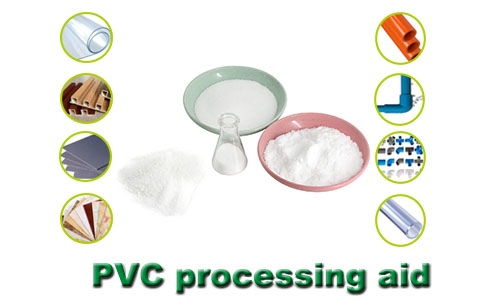
Is there a specific order for adding additives during PVC product processing?
The sequence of additive addition during PVC product processing is critical, directly impacting mixing uniformity, processing stability, and product performance. A rational addition sequence prevents additive reactions, uneven dispersion, or agglomeration. Below are common principles and reference sequences:
I. Core Principles for Addition
- Solids before liquids: Mix solid additives (e.g., resins, stabilizers, fillers) first, then add liquid additives (e.g., plasticizers, impact modifiers) to prevent liquid pooling and ensure uniform dispersion.
- Stabilize Before Reactive Additives: Add stabilizers (to prevent resin thermal decomposition) first, followed by lubricants and processing aids. Add volatile or highly reactive additives (e.g., blowing agents) last.
- Stepwise Dispersion: Introduce high-volume additives first to ensure thorough resin contact. Low-dose additives (e.g., antioxidants, UV absorbers) may be added later to minimize loss.
II. Typical Addition Sequence (Using a High-Speed Mixer as Example)
1. Step One: Add PVC Resin
First add the resin and start stirring (low speed) to preheat and disperse it, providing a foundation for subsequent additive adhesion.
2. Step 2: Add Heat Stabilizers
After resin preheating (approx. 50-60°C), introduce heat stabilizers (e.g., calcium-zinc stabilizers, lead salt stabilizers). Prioritize thorough mixing to prevent resin degradation during high-temperature processing.
3. Step 3: Add internal lubricants
Incorporate lubricants like stearic acid or stearic acid butyl ester with the resin and stabilizers (temperature rises to 70-80°C). This promotes resin melting and reduces internal friction.
4. Step 4: Add processing aids/impact modifiers
Such as ACR processing aids or CPE (chlorinated polyethylene) to enhance processing flow and product toughness. Temperature may be raised to 80-90°C at this stage.
5. Step 5: Add fillers/modifiers
Such as calcium carbonate or talc. These must be added when the resin is in a semi-molten state (temperature 90-100°C) to ensure uniform dispersion and prevent agglomeration.
6. Step 6: Add Liquid Additives (Soft PVC)
For soft PVC (requiring plasticizers), slowly add plasticizers (e.g., DOP) while stirring continuously (temperature controlled at 100-110°C) to prevent local overdose and agglomeration. Auxiliary plasticizers like epoxidized soybean oil may be added simultaneously.
7. Step Seven: Add External Lubricants
Finally, incorporate external lubricants (e.g., PE wax, zinc stearate) at 110-120°C to form a surface lubricating layer. This prevents molding adhesion during processing and avoids insufficient internal lubrication from premature addition.
8. Step 8: Add Small Doses of Functional Additives
Add functional additives such as antioxidants, UV absorbers, and colorants during the later mixing stage (as temperature begins to decrease) to minimize degradation from high temperatures.
III. Precautions
– Additive types vary for different products (rigid/flexible, profiles/films), and the sequence can be flexibly adjusted (e.g., rigid PVC may omit plasticizers).
– Control temperature and mixing speed during blending to prevent localized overheating that could cause additive decomposition (e.g., plasticizers volatilize at high temperatures, while stabilizers degrade under prolonged heat exposure).
A rational addition sequence maximizes additive efficacy while minimizing issues like uneven dispersion, blooming, and degradation. This step is critical for ensuring the quality of PVC products.